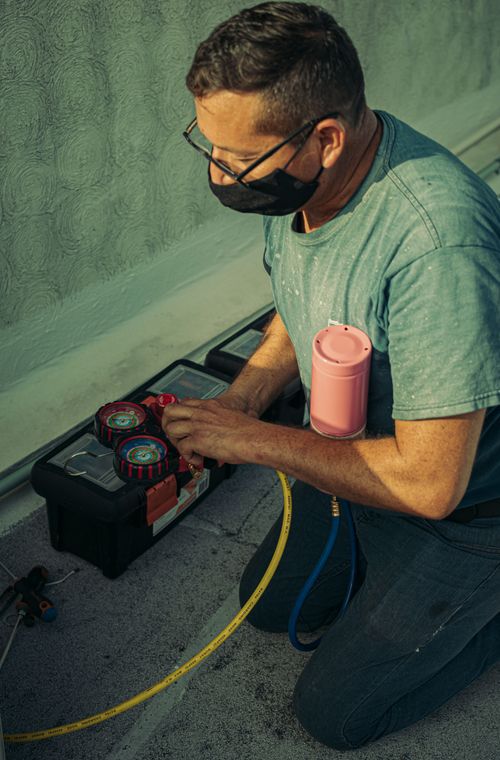
The extreme weather passes. The emergency calls slow down. Open spots start appearing on the board.
The owner looks at the trucks, payroll, and next week’s schedule and thinks, “We need more leads.”
Before spending more, check the work that may already be hiding in the customer list, open quotes, and unfinished follow-up.
Plan before the slow season arrives
The worst time to build a slow-season plan is after the phones are already dead.
A useful plan starts several weeks earlier, while the team still has time to clean the list, review old quotes, and prepare messages that fit the season.
Start with maintenance reminders
Customers who are due for a tune-up are the most natural place to begin.
The message should connect to what the homeowner cares about:
Hi [Name], it’s [Name] from [Company]. We’re booking pre-season furnace tune-ups now. Would you like us to find a time before the first cold snap?
Useful timing beats a random discount.
Review open and older quotes
Some customers delayed work because the timing was wrong, the weather changed, or the repair was not urgent yet.
A respectful check-in can ask whether the work is still needed and whether anything has changed.
Do not assume every old quote is alive. The point is to get a clear answer and clean up what is still open.
Look for customers with aging equipment
The company may know which customers have older furnaces, AC units, heat pumps, or water heaters.
Those customers may appreciate a maintenance check or a practical conversation before an emergency forces the decision.
Use maintenance plans as service, not a sales trick
A maintenance plan should make the customer’s life easier and help the company stay connected.
Explain what is included, when the company will reach out, and why the plan is useful. Avoid burying the homeowner in features or pretending every customer needs the same thing.
Ask for referrals at the right time
A happy long-term customer may know a neighbour, family member, or business owner who needs help.
The request should be occasional and natural, not part of every message.
Build a simple slow-season rhythm
- Four to six weeks before the expected slowdown, review the customer list.
- Identify customers due for seasonal service.
- Review open quotes and jobs that were postponed.
- Prepare messages in the company’s real voice.
- Send in manageable groups so the office can handle replies.
- Review what booked and what should change next time.
Do not create more work than the office can handle
A message that produces replies is only useful when someone can respond and book the calls.
Send follow-up in batches that match the available schedule and staffing. The point is to keep the guys busy, not overwhelm the office on Tuesday and leave Friday empty.
The slow season should not be the first time past customers hear from you.
Build the slow-season plan before the phones go quiet
Book a free HVAC Revenue Leak Review. We’ll look at past customers, open quotes, and follow-up, then show you where work may already be sitting.